Session 46 — December 2018
Future lifetimes in the subconscious and the linearity of time versus existence ▶ Play excerpt05:20
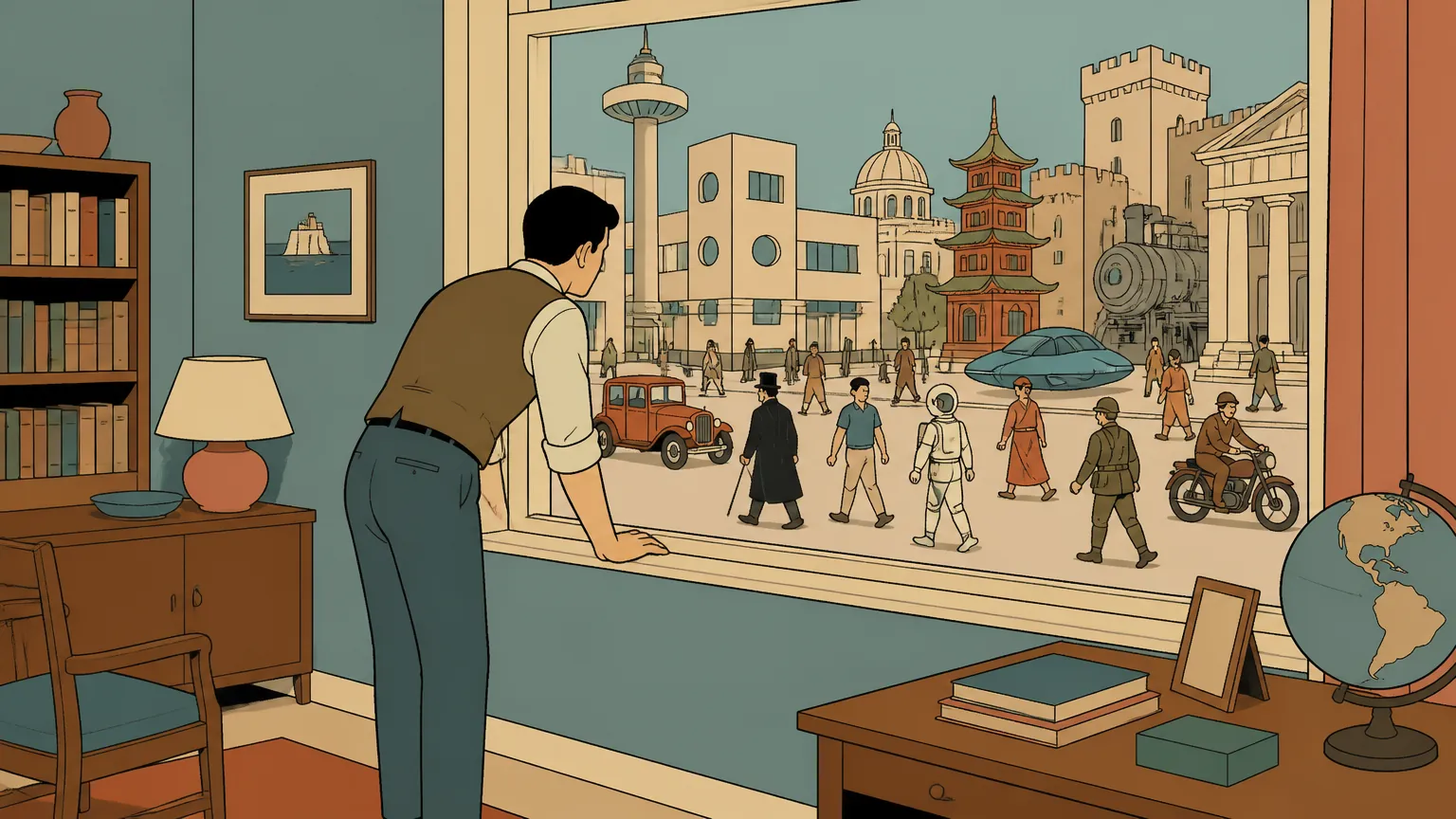
Following on from the previous session, Frederic asks how a future lifetime can be present in the subconscious only if it occurred previous to this one.
The Wonders explain that in third dimensional reality time is linear, giving a past, present and future, but that linearity of time is not the same as linearity of existence or of choice; in all of existence there is no linearity and no judgment of that sense, so all things exist in the same moment.
Because he lives in third dimensional reality, however, linearity is the very fabric that creates space and supports time, giving him a reference for time while limiting his understanding of existence.
Therefore a future existence can be held in his subconscious only if it occurred prior to this present moment.
Practically, they say, this shows up when he taps into an existence or has a dream or awareness that he feels connected to but that cannot be placed in any known historical period: that is the remembrance of a past life which occurred in the future.
Such awarenesses can be related to and used to explore and choose differently, while remaining framed as a past life prior to this one.
Connection between individual subconscious minds and the illusion of separation ▶ Play excerpt02:40
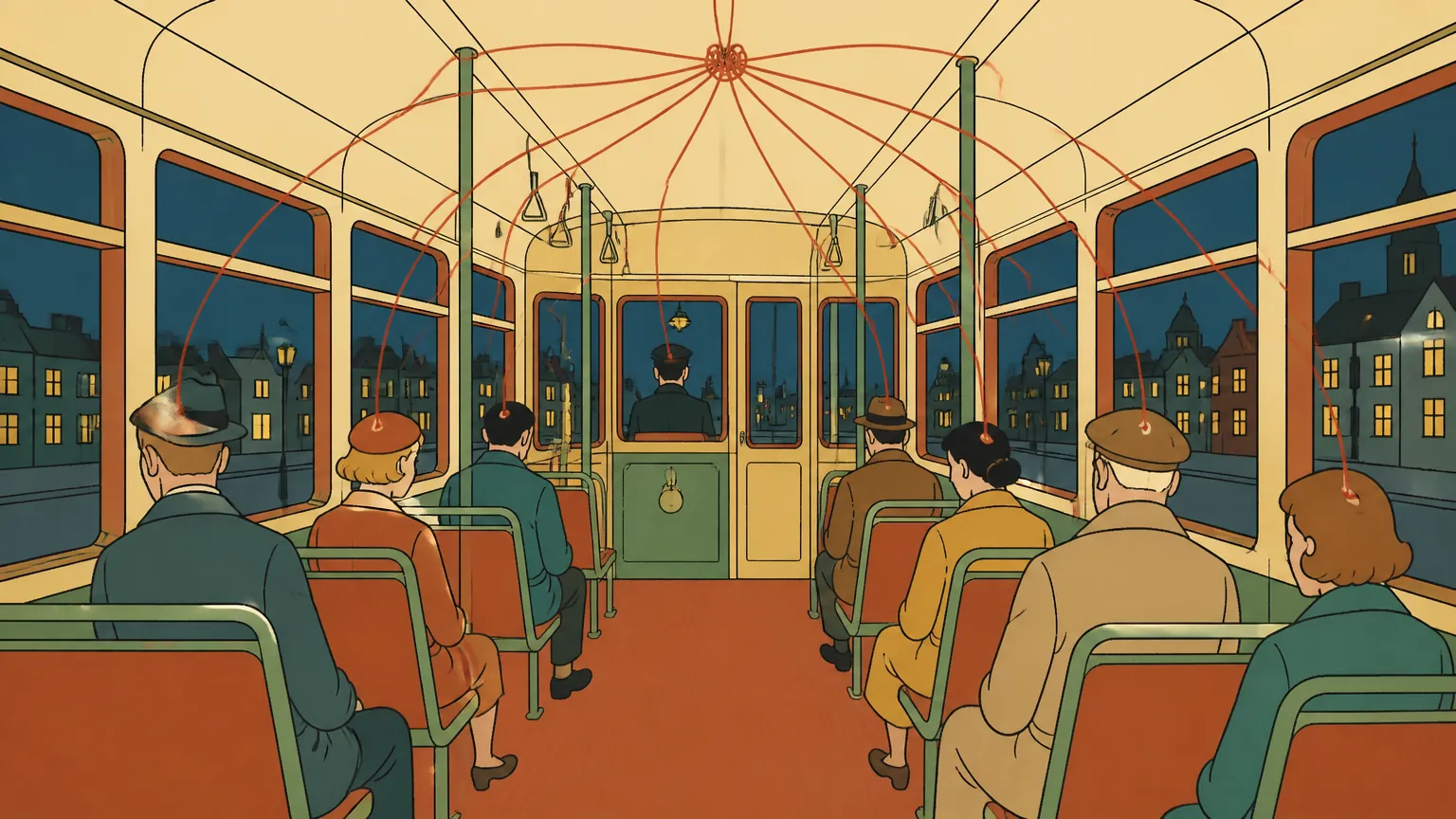
Frederic asks whether all subconscious minds are connected, so that an awareness could come from someone else rather than from himself.
The Wonders answer that what limits this is the separation individuals impose on themselves and their attachment to being separate from everything around them; most people lack the awareness.
The few who know they exist outside that normal separation can and do connect to others' subconscious minds, but they treat it as an occasional aberration rather than an ability or a normal thing.
They have long encouraged humanity and students to observe how easy it is to connect outside the parameters of space, and therefore of time and linearity: connecting subconsciously not with one individual but with all shows that separation does not exist.
The easiest route is to observe the deep subtlety by which one's choices, thoughts and the energy behind thoughts change everything around one; first this appears unlimited by space, and eventually unlimited by time as well.
Telling imagination from genuine awareness, and stretching the mind's limits ▶ Play excerpt04:59
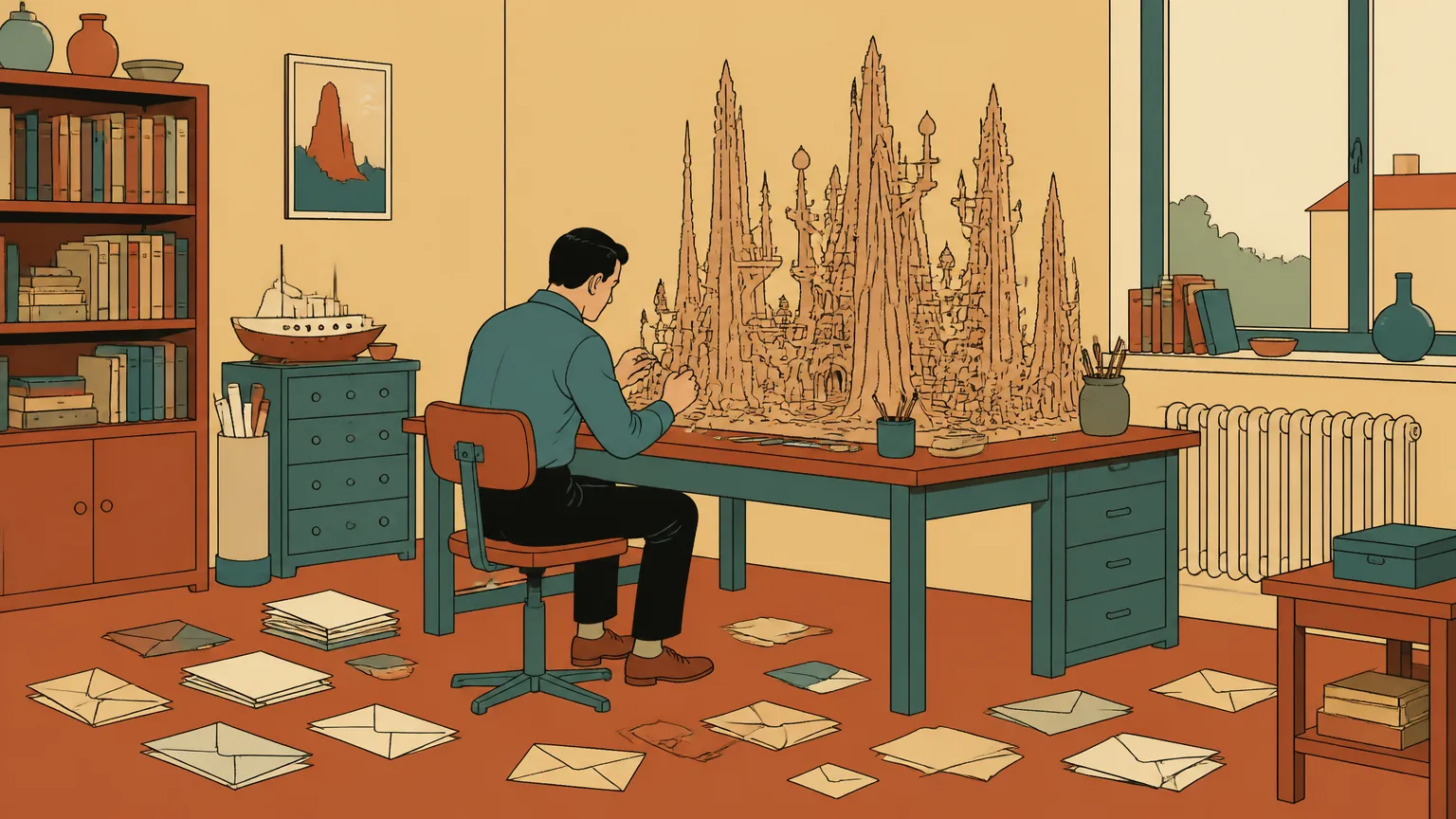
Frederic asks how to distinguish something imagined from a real perception, since observing where perceptions come from is not easy.
The Wonders reply with a question of their own: does it matter?
If it matters he is holding on to the illusion of separation and its limitations; if it does not, he releases himself from them.
They suggest he has probably already observed things beyond the limits of time and simply ascribed them to imagination, using the analogy of science fiction: writers and readers treat their ideas as invention, and while such books are rooted in the concepts of their own society, they often reach into other planetary systems, raising the question of where that imagination came from and whether an awareness of an existence held in the subconscious fuelled it.
Asked whether anything in imagination is unrelated to what already exists, they say that within third dimensional separation a great deal is imagined that has not been imagined before, but that removing the separations of space and time lets imagination transcend that normality.
They warn that the mind will refuse removals of separation past a certain point because that would create dysfunction it cannot operate through, and note some people end up in institutions because they can no longer imagine anything else.
Following their suggestions of the past 21 years stretches the imagination muscle and lets the mind go past limits it believes would shatter it; the mind sees itself as fixed with a limited capacity for acceptance, whereas in reality it is one of the most flexible tools in existence and can begin to stretch.
Conscious, subconscious and unconscious, and what exists without thought ▶ Play excerpt02:16
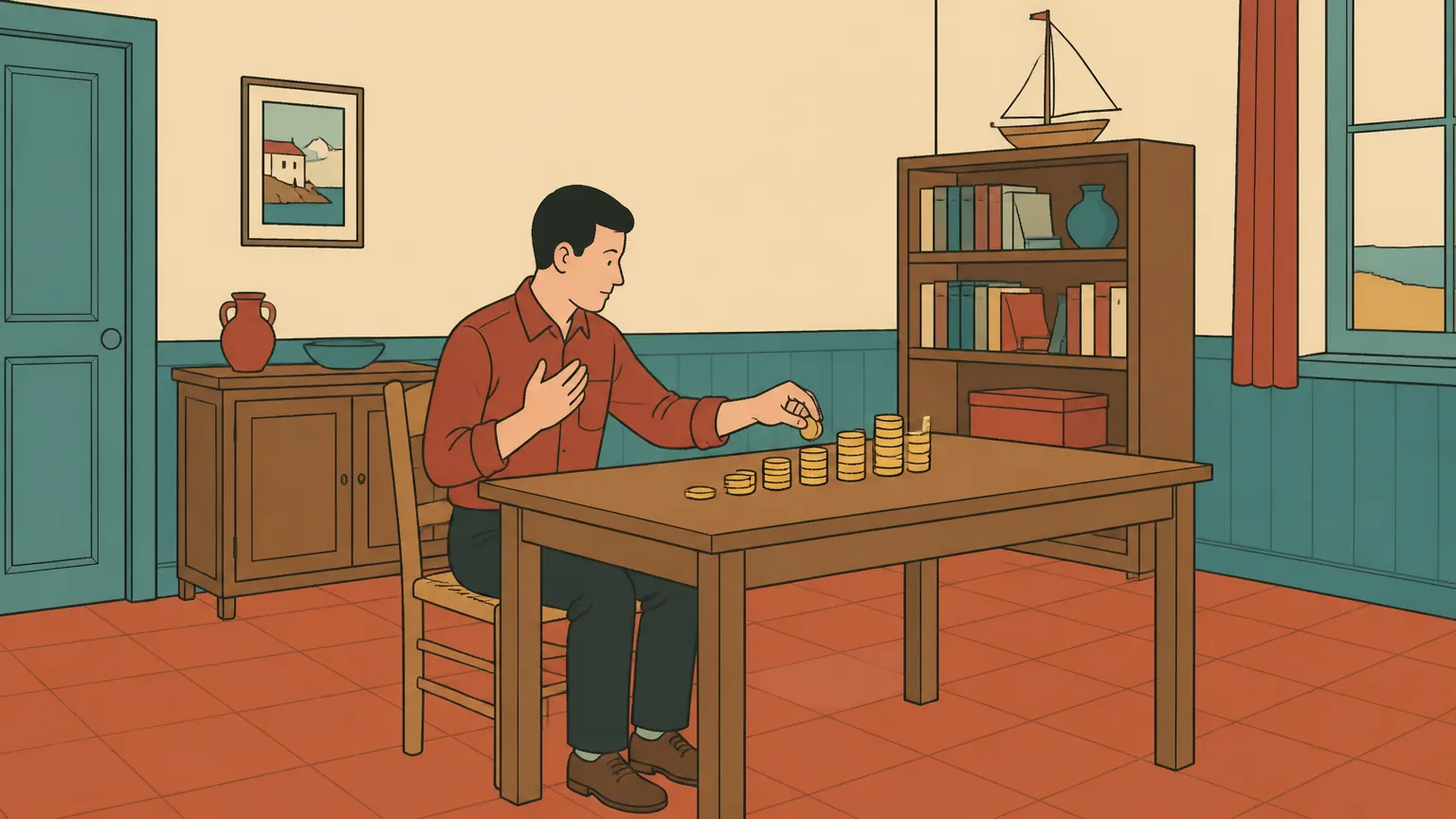
Frederic asks whether these limitations are subconscious programs; the Wonders say some are conscious, some subconscious and some unconscious.
Asked what the unconscious is, they define it as that which maintains the existence of the self without applying itself to thought.
The body is partly maintained by a thought process belonging to the subconscious and conscious, while the process where thought does not exist belongs to the unconscious.
Frederic is surprised, having assumed everything in the mind involved thought.
They allow that thought may have been involved at the beginning, and in some cases may even have created what is in the unconscious, but state that part of the unconscious arose without any thought whatsoever, and leave that as something for him to explore in a future session.