Artificial intelligence, technology and humanity's use of it
Frederic says he has been playing with AI, which handles the boring work so he can focus on creative programming, restoring his joy in it.
The Wonders respond that the difficulty with artificial intelligence is the word 'intelligence', noting scientists attempting to create genuinely self-recognizing intelligence, and recalling the premise of the film Terminator, where a self-realized AI concluded humanity was a virus.
They compare this to Einstein's fascination with nuclear energy leading to the bomb.
Frederic argues the real problem is human consciousness and what people will do with it; the Wonders agree it will help self-destruction, but add that a self-realizing intelligence could equally be guided to realize itself as benevolent, kind, gentle, compassionate and caring.
On whether current computers could support this, they point to quantum mechanics and quantum computing developments, while acknowledging that a lot of what is claimed about quantum is nonsense that must be worked through and that it is not at consumer level.
On old predictions of photonic computers, flying cars and household robots, they note flying cars exist but are not financially viable and are drone-based, and robot assistants like Siri and Alexa are effectively in every house.
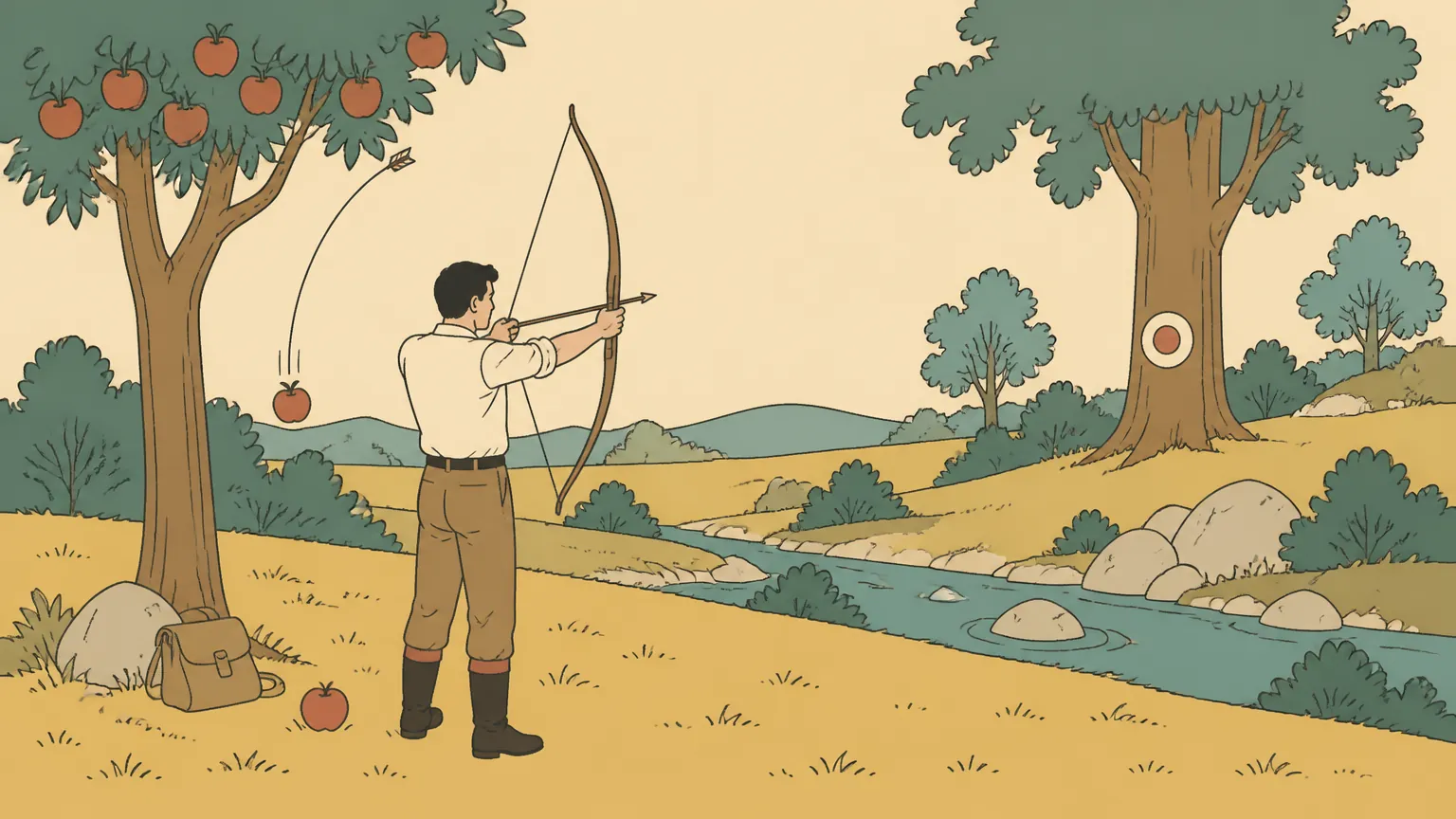
The 1950s-70s excitement that technology would advance humanity has given way to the recognition that it has advanced war and destruction; as with a bow and arrow, the same tool can find dinner or cause harm depending on use.