Living in the moment, thinking without memory, and the mind's first judgment
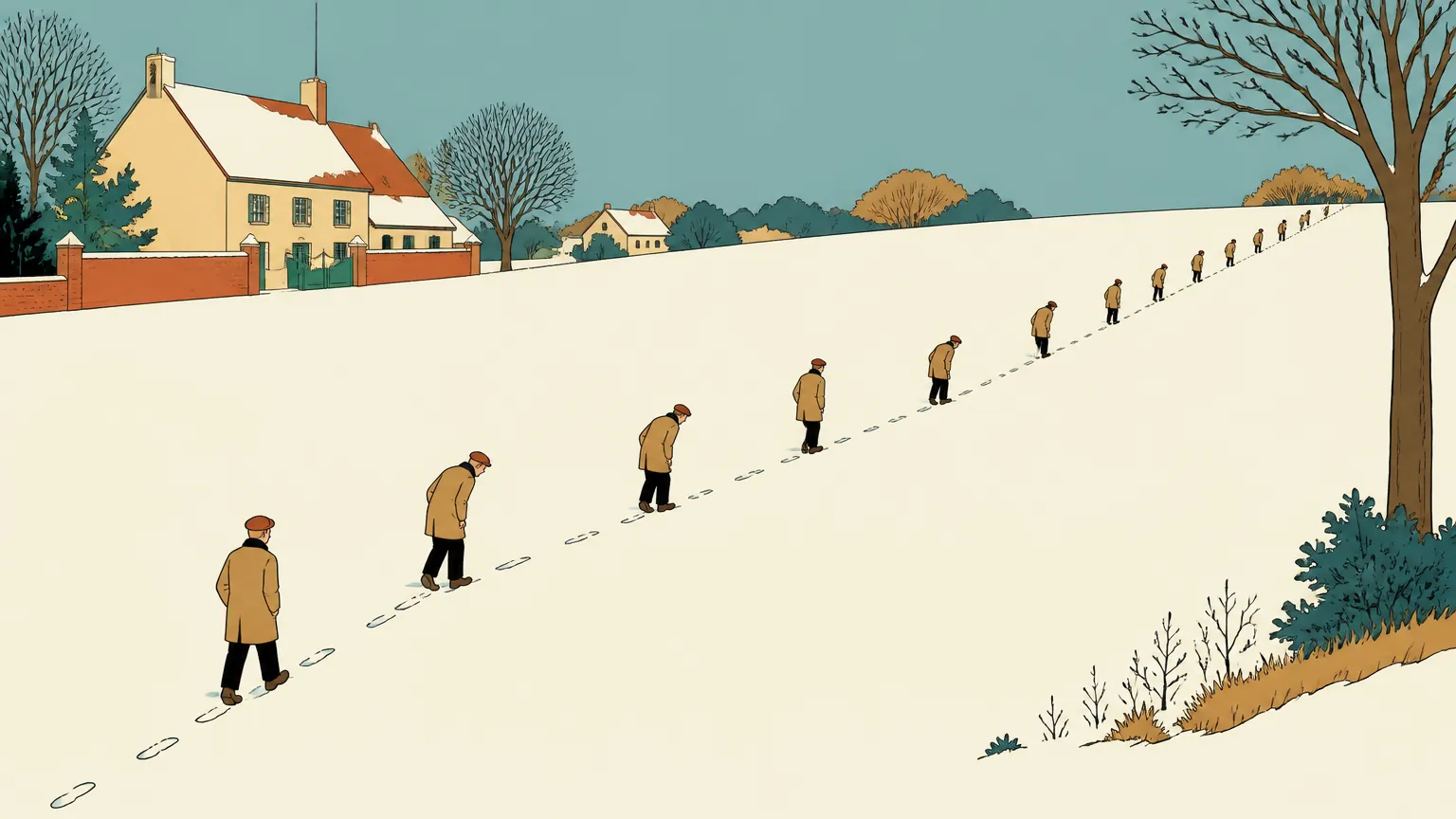
Frederic proposes that the way to handle all this is to deal with whatever arrives in the given moment.
The Wonders agree - there is no point thinking about past or future, all he has is now, and being in the future or the past is being in distress.
He asks whether it is really possible not to be there at all, since thinking uses memories and so is a form of being in the past.
They say no: one can think without memories, and that is where the mind was intended to be - a tool for thinking in this moment.
Asked whether that means no voice in the head, since a voice is words based on memory, they ultimately agree with him while noting there are many steps between now and then.
Frederic says thinking to him means words, images or feelings referring to something; they reply that this is what he knows, drawn from his experience and those around him, and ask what if thinking were simply choice.
Frederic says that framing would finally make sense of the claim that thoughts create reality, which as he currently conceives thoughts does not make sense.
The Wonders remind him that the mind was created as a tool to navigate third-dimensional reality, not to remember or anticipate, but that on being created it began to judge, and everything flowed from that first judgment - and judgment is based on the past.
They illustrate: one second after birth the mind compares that second with the moment of birth and has already judged; it then instantly projects to the next second, creating judgment of the future, of the present, and of the second just past, and continues that way indefinitely.
Frederic asks the trickier question of how one gets out of that, and the Wonders answer that this is where choice is very important, as the session ends.