Session 64 — October 2020
What 'encountering the Divine' means: essence beyond ego, energy without definition, and observing movement ▶ Play excerpt13:50
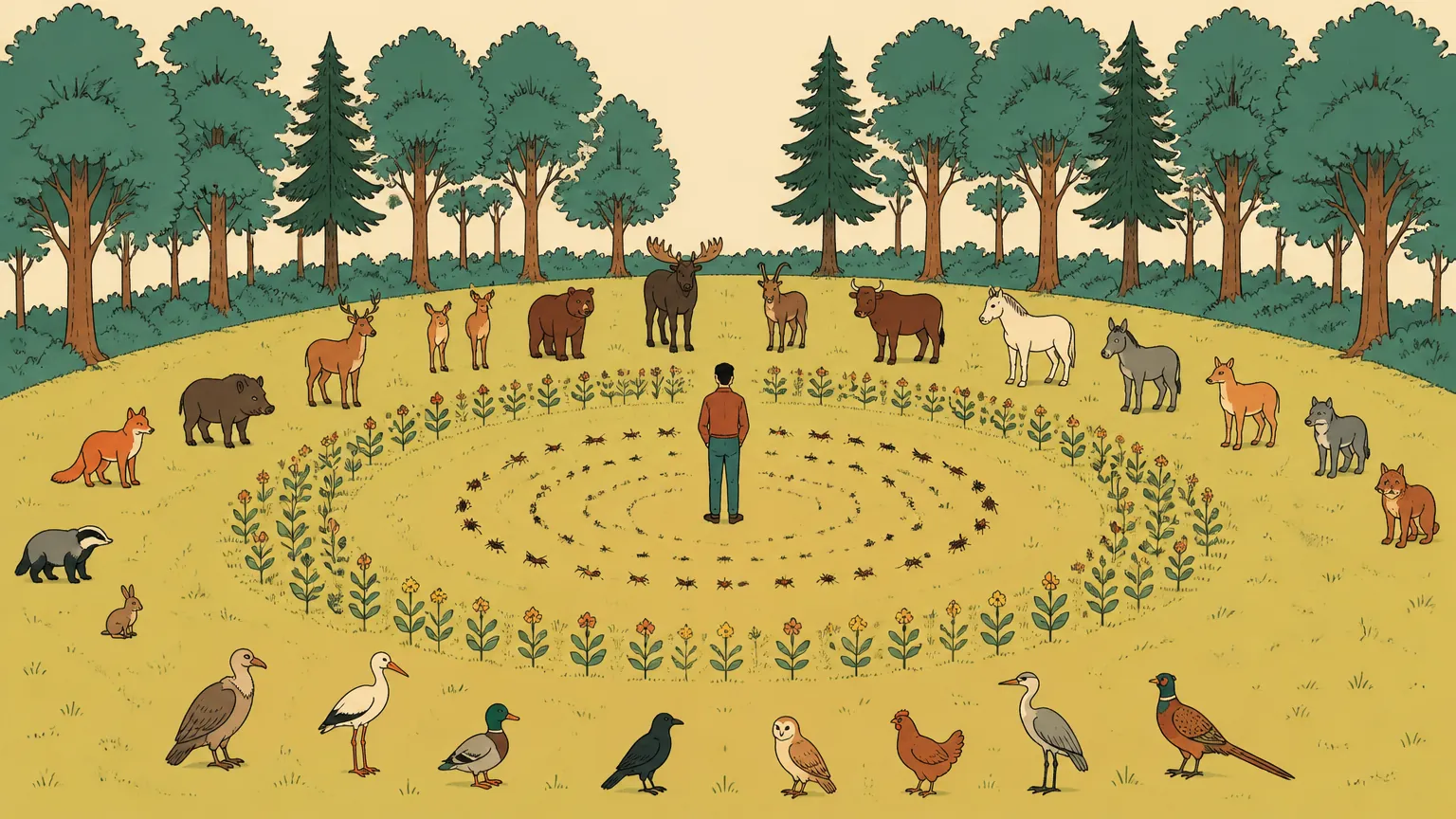
Frederic asks what the Wonders meant when they spoke of encountering the Divine.
They define it as coming to full awareness of his own spiritual essence: he is a spiritual being, but at this stage it is a mental concept he holds as a nice idea rather than something realized physically, mentally, emotionally and spiritually.
When it is realized, his whole life changes - what he worries about he will no longer worry about, what he thinks about he will no longer think about, and he will explore from the perspective of experiencing rather than figuring out.
Frederic describes having come full circle: he began with spirituality as something outside himself, assumed to be bigger and better, grew tired of that and returned to being human, and now appreciates even the parts of himself he would once have judged as unspiritual, which has changed how he sees other people.
He adds that he no longer cares much about questions about the future, and realizes many past questions were ones he already knew the answers to but wanted reassurance or validation for.
He also reports letting more emotions run through him before judging them.
The Wonders ask whether he sees himself as only a human being, more than one, or less than one, and then whether he sees himself as Frederic - which means seeing himself as an ego, an 'I am, I exist'.
That is fine humanly, but his essence is not defined by or related to his ego; the ego is necessary to function in third-dimensional reality.
They direct him to look beyond himself at everything that exists - the planet, animals, trees, plants, insects - and then further into 'energy without definition', meaning movement not confined to any defined form or to his house, city, country or planet, extending into solar and universal systems.
Science, they say, is at the beginning of understanding a far greater movement.
Exploring this leads to discovering that as an essence, an incarnated human being and an ego he is a small drop in a vast ocean of movement, yet so integral to it that without him the movement would not be the same.
There are limitless questions to explore, approached not to understand but to experience, which requires cultivating a quietude within daily activity - even at work - that puts him in touch with the movement and lets him observe it without judgment, so the movement is both his and not his and he is simply part of all things.
Encountering that is what some call divinity: something without ego but with awareness of its own existence, of which he is a part.
Realizing it, not as a mental construct, lets him see in the people around him a need to constrain the movement out of fear of losing control and of not surviving; his own application of choice within the movement can soften that need so awareness grows.
At that point he becomes part of the creation and realizes that his ego personality - body, mind, emotions, soul - is an imaginary representation used to express himself at this point in time and space, that he is simultaneously expressed in many other ways, and that his choices affect the movement of all existence, which ultimately is about play.
Are people focused on ordinary life playing the game more fully, and expanding the subconscious consciously ▶ Play excerpt02:43
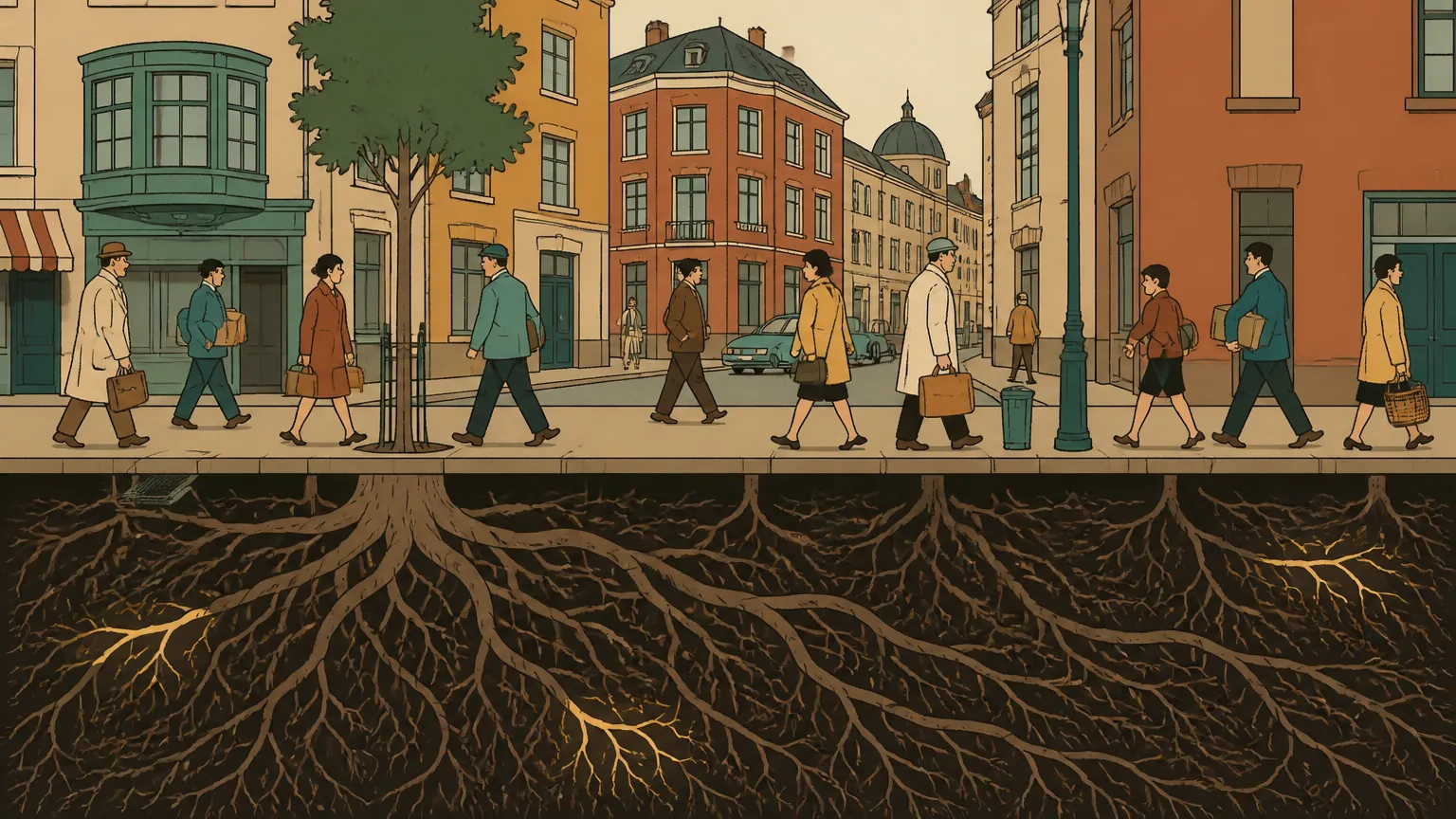
Frederic wonders whether people who stay focused on their job and themselves are playing the game one hundred percent, while people like him who go exploring outside may sometimes be trying to escape.
The Wonders allow that in some cases it can be escapism, but say this is not about escapism, it is about realizing oneself.
They note the subconscious is aware in part but not fully, and explain that this is why they have encouraged humanity to become conscious - so that choices can be made to expand the subconscious in a deliberate, conscious way, since it is a repository of vast awareness that is not itself conscious.
The mind will object that this is too scary, cannot be contained, is overwhelming and will not survive, but those are just aspects of a mind created for third-dimensional reality rather than for existence itself.
What they are giving him, they say, is the map of his own God essence, through which he will realize there is no separation between himself and anything else, and his questions will shift from 'what do I look at next, how do I do this' to 'if this movement were created, what would be its effect on all of this'.
The purpose of the ego and whether being an ego is enough ▶ Play excerpt02:59
Frederic asks whether the ego's purpose is to keep him alive in this dimension.
The Wonders correct him: keeping him alive is the mind's job, while the ego exists to help him realize that he exists - and the ego is also the very thing that often stops him from realizing his divinity, because realizing it means no longer being the ego.
They note that over centuries and millennia many people have asked them whether the ego is not the divine and whether the divine does not have an ego, a question asked in order to validate the ego of someone who would like to see themselves as divine but fears that doing so would cost them their ego.
Frederic reframes his question as whether it is not enough simply to be his ego, and says his own starting point was accepting himself.
The Wonders answer that existence as an ego is of course enough - he can be an ego, have a great time, explore many things and ask limitless questions, since much curiosity is tied to mind and ego - but that this is not who he is; and if his curiosity is 'who am I', then that journey does not stop at the 'I am'.
Emotions as conscious choice, and whether anyone has fully realized themselves as the All That Is ▶ Play excerpt03:03
Noting Frederic's excitement about this exploration, the Wonders point out that the excitement is his mind and ego.
As he explores, emotions cease to have the same automatic impact: he can still experience them, and can consciously choose to experience excitement rather than simply having it happen, which makes it a real conscious choice.
When such a choice is made he can observe the movement that accompanies it and how it affects not only him but every aspect of existence around him, and that leads to deeper exploration.
Asked whether others have been there before, the Wonders say some have an awareness of it, some are cognizant of it and some are exploring it now, but no one has fully realized themselves as the All That Is - not even René, who is aware that he is but has not realized it as a becoming one, and is content with that; each individual must make that choice.
Frederic observes that some people have awarenesses and then decide to go back to human ego and physicality and what they want to experience, which the Wonders confirm, adding that people incarnate saying they hate this life and this world and do not want to come back, and then do - and that it is not the ego that gets to choose, which is the point of the choice.