Judgment across the conscious, subconscious and unconscious mind
Following on from the previous session, Frederic asks where habitual, repetitive judgment sits, given that the subconscious does not judge and the conscious does.
The Wonders explain that the unconscious handles what is repetitive, including bodily functions and the repetitiveness and necessity of judgment, while the conscious mind does the actual judging; after enough repetitions the pattern moves into the unconscious and becomes unconsciously conscious, with the unconscious telling the conscious mind what a situation is when similar circumstances recur.
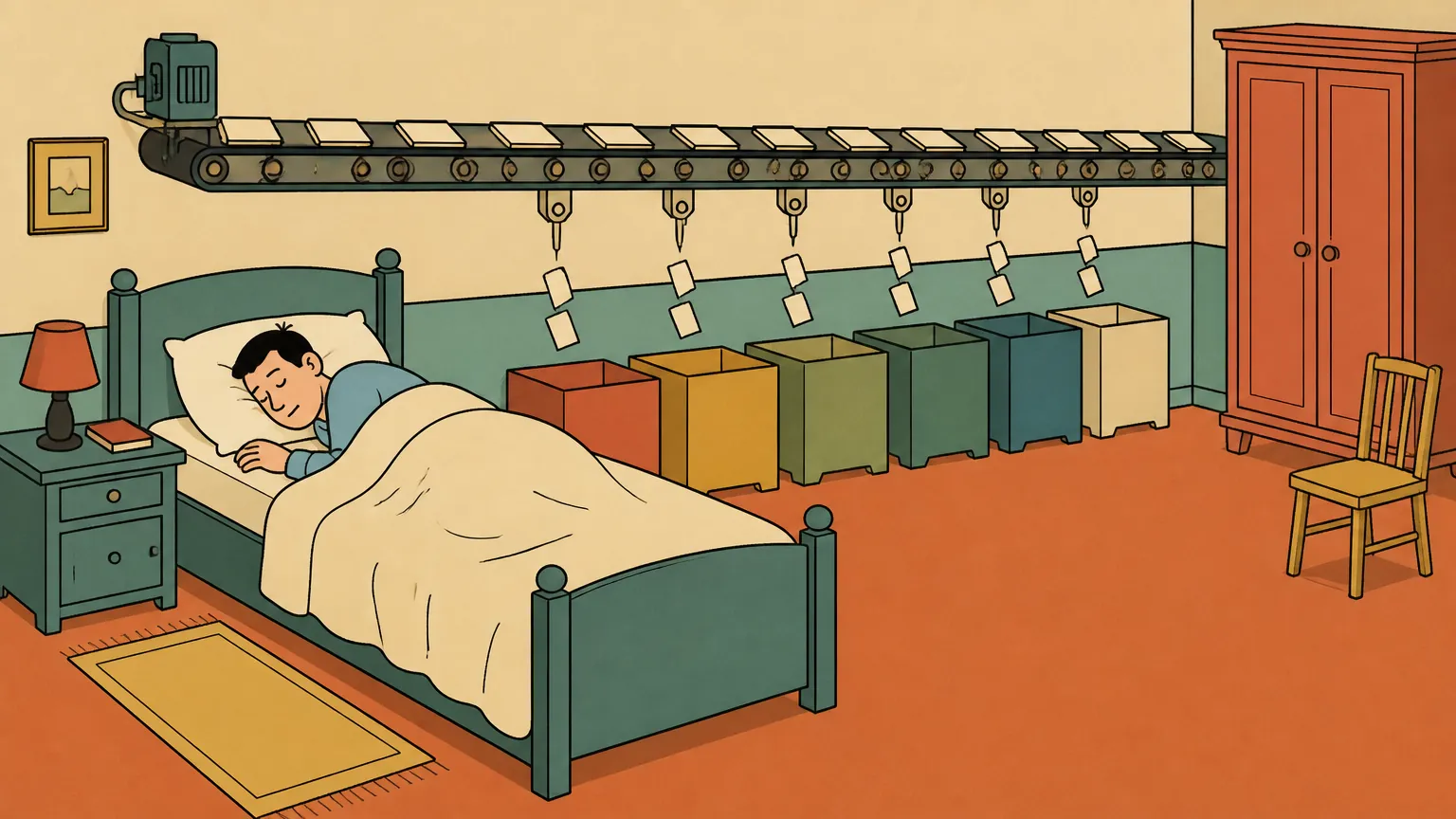
Used judgments are then stored in the subconscious, which can be accessed consciously but which most people reach mainly in sleep, giving rise to dreams; they remark that Freud and others, by defining dream types, created a limitation now accepted as psychology that restricts the subconscious's ability to expand the conscious mind.
They add that the conscious mind can also deliberately choose to judge the same circumstances the same way every time.
On thoughts, they say a thought can be a reflection of a judgment or the judgment itself, depending on whether it is repetitive or new to the moment.
When Frederic says he finds this confusing, they point out he is trying to use his mind to define the ins and outs of his mind; the confusion arises when outside information conflicts with the mind's own preferred pattern, and resolving it requires setting aside attachment to his perspective and receiving information more openly and vulnerably.