Session 35 — November 2017
Judgment across the conscious, subconscious and unconscious mind ▶ Play excerpt06:32
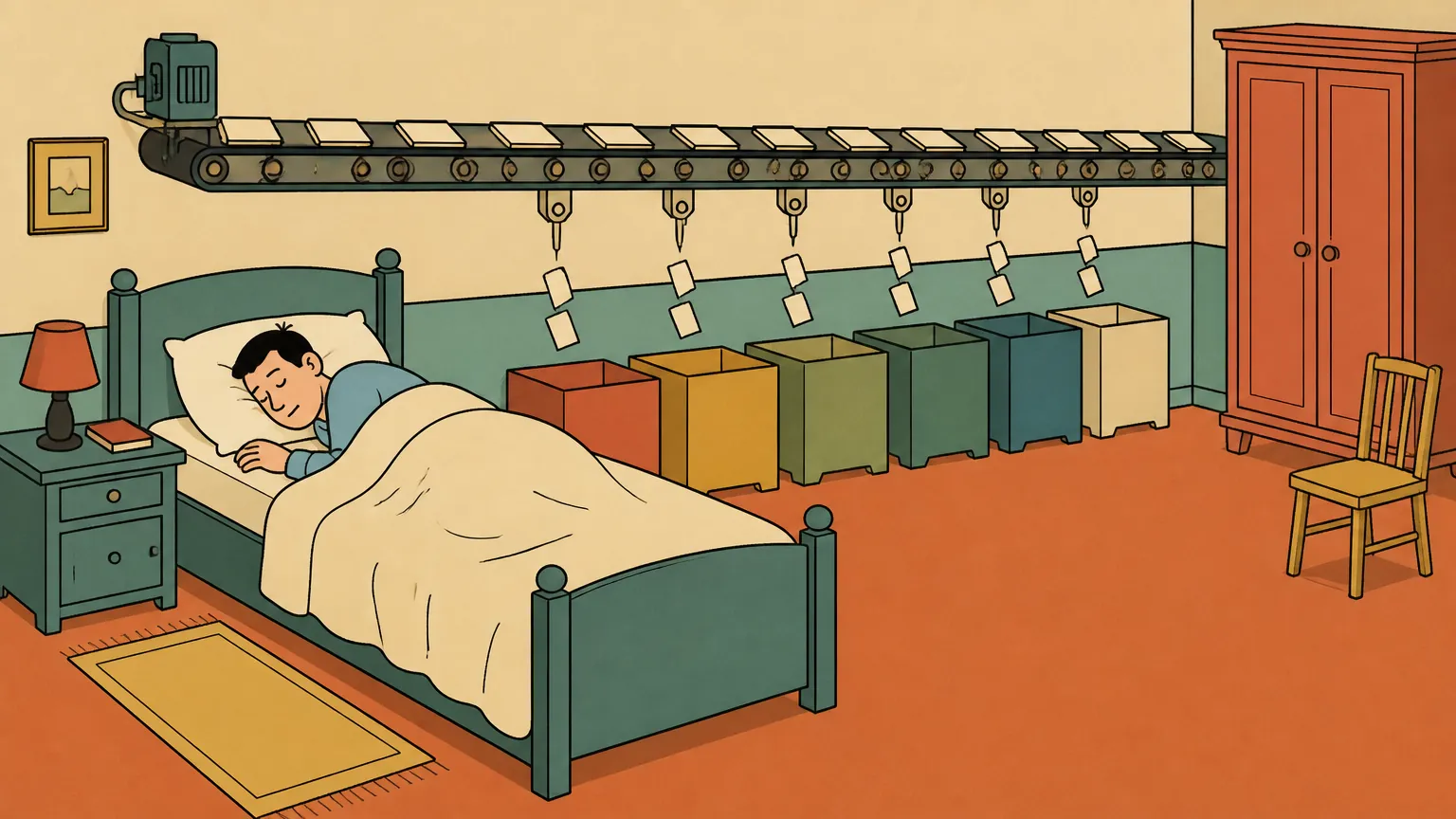
Following on from the previous session, Frederic asks where habitual, repetitive judgment sits, given that the subconscious does not judge and the conscious does.
The Wonders explain that the unconscious handles what is repetitive, including bodily functions and the repetitiveness and necessity of judgment, while the conscious mind does the actual judging; after enough repetitions the pattern moves into the unconscious and becomes unconsciously conscious, with the unconscious telling the conscious mind what a situation is when similar circumstances recur.
Used judgments are then stored in the subconscious, which can be accessed consciously but which most people reach mainly in sleep, giving rise to dreams; they remark that Freud and others, by defining dream types, created a limitation now accepted as psychology that restricts the subconscious's ability to expand the conscious mind.
They add that the conscious mind can also deliberately choose to judge the same circumstances the same way every time.
On thoughts, they say a thought can be a reflection of a judgment or the judgment itself, depending on whether it is repetitive or new to the moment.
When Frederic says he finds this confusing, they point out he is trying to use his mind to define the ins and outs of his mind; the confusion arises when outside information conflicts with the mind's own preferred pattern, and resolving it requires setting aside attachment to his perspective and receiving information more openly and vulnerably.
Korean reunification and Frederic's taste for geopolitical puzzles ▶ Play excerpt04:37
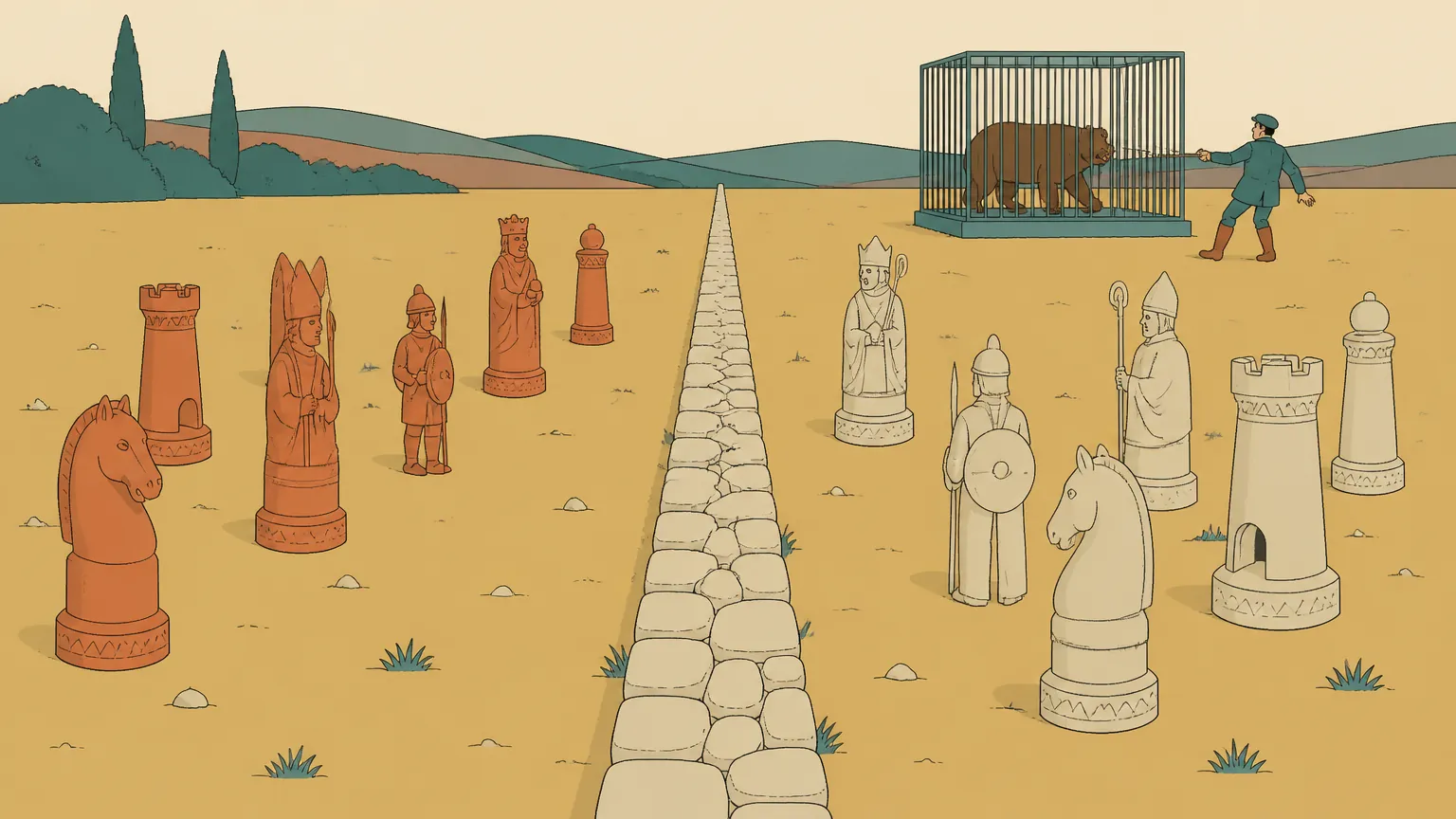
Frederic asks whether North and South Korea might one day reunite.
The Wonders say the probability has always existed but is blocked by the personalities and egos involved.
They describe a benefit within world politics to the Koreas remaining separate: the peninsula serves as a place where China and the United States can exercise warlike behaviour without going to war directly, recalling that China fought the United States there under the pretext of communism, which they call an illusion and excuse.
The Koreas are pawns in a larger game now also involving Russia, which has stepped into the space left as China reduced its support of North Korea, making the situation a microcosm of the world.
Under present psychologies and belief structures they do not see reunification for at least another 75 years or more, and they describe North Korean leadership's pride in standing against great powers while relying on a great power's support as small man syndrome.
Asked whether his curiosity about this is personal or broader, they tell Frederic he is curious about virtually everything and that such geopolitics is a puzzle his mind enjoys, warning that these puzzles have real-world consequences and that some people actually instigate the protagonists to see how things shift, which is like poking a bear that eventually swats back.